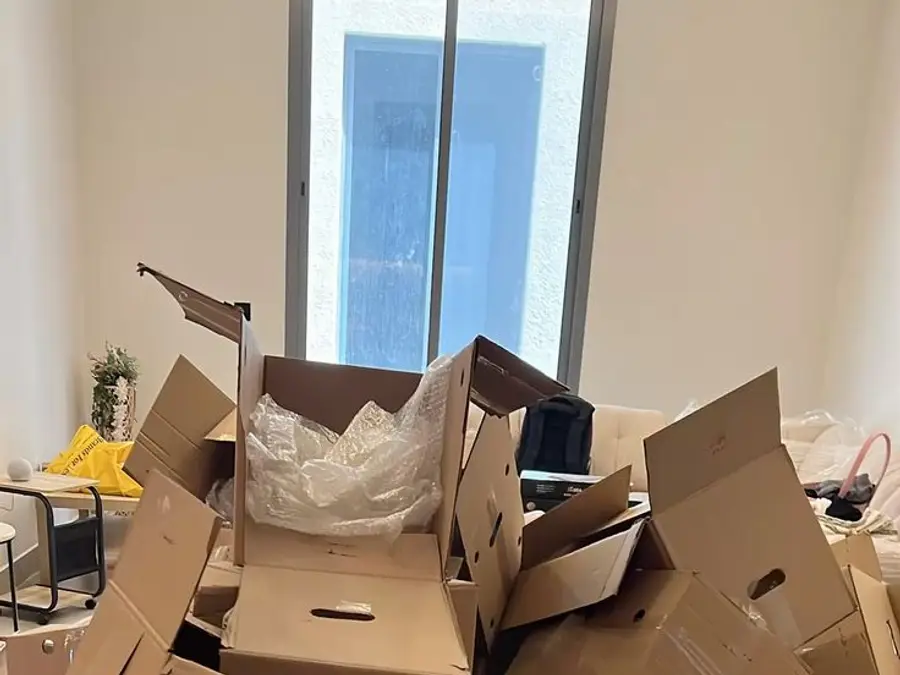
Leaving a rented apartment in Dubai is a scheduling problem more than anything else. The DEWA final bill, the move out permit, the service lift booking, the cleaning, the furniture collection and the handover inspection all have to happen in a workable order, and several of them cannot be done at short notice. Here is the sequence that works.
Four weeks out: tell the building. Most managed buildings require written notice of a move out, and many issue a move out permit or an NOC before they will release the service lift. Some ask for a refundable deposit against damage to common areas. This is the step people leave until the week of the move, and it is the one most likely to stop everything.
Four weeks out: check what the landlord expects. Read the tenancy contract for the handover condition. Some contracts require professional cleaning with a receipt. Some require any tenant installed fixture to be removed and the wall made good, which includes wall mounted TV brackets, shelving and the air conditioner curtain rails nobody thinks about.
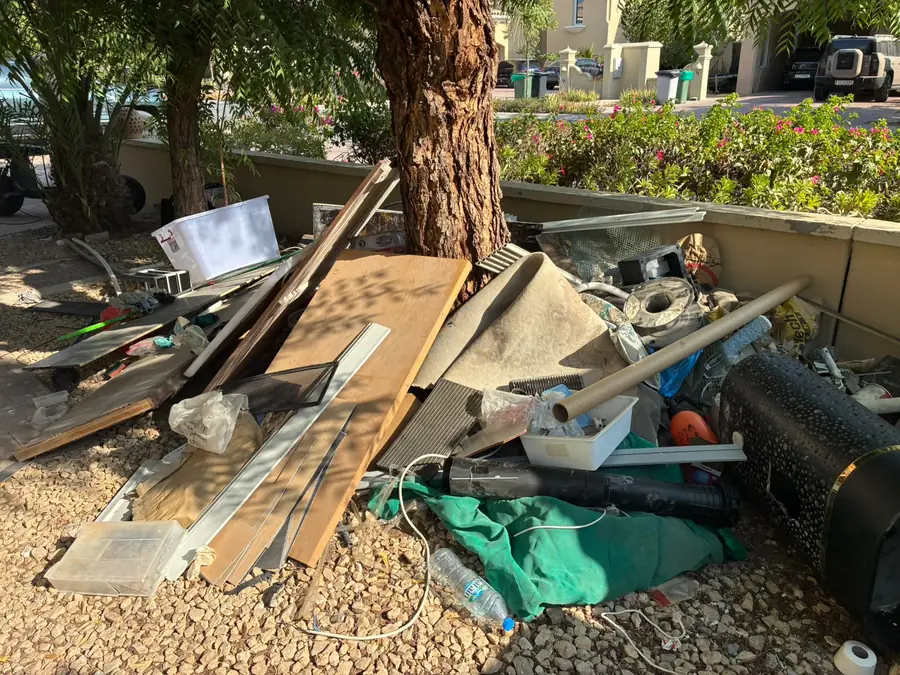
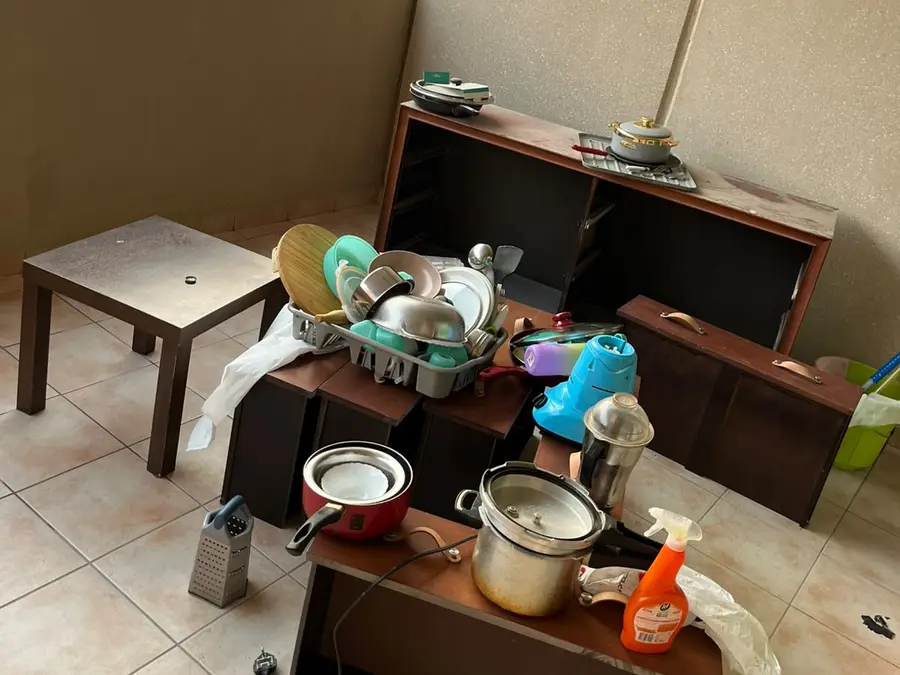
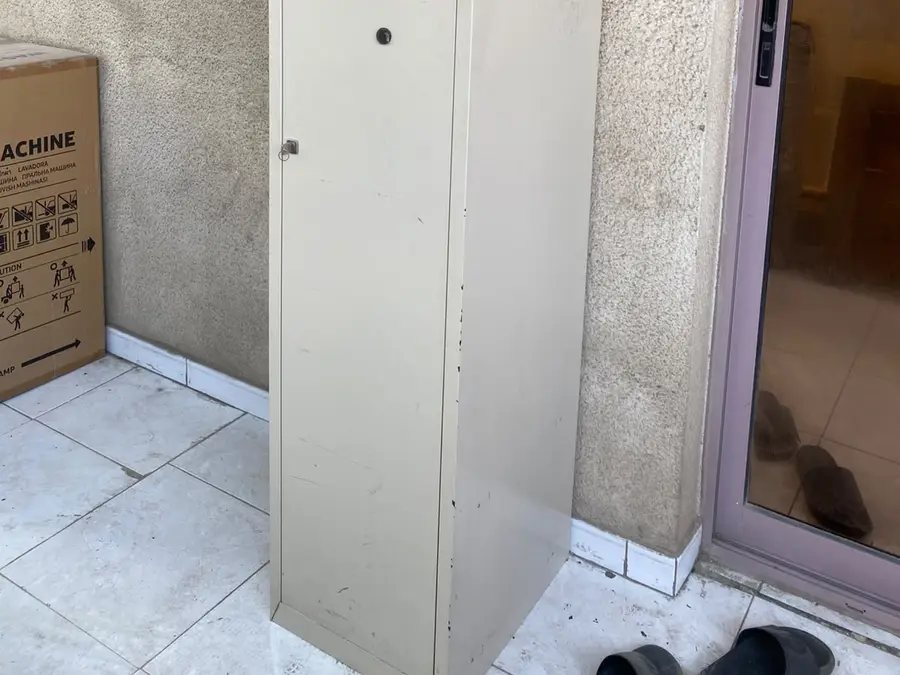
Three weeks out: decide what is not coming with you. This is where the cost sits. Moving furniture you do not want to the new place is the most expensive way to dispose of it, because you pay the mover to carry it twice. Walk the apartment and mark anything that is not going. Balcony furniture, the mattress you were replacing anyway, the storage room contents, the appliances that came with the place and have since failed.
Two weeks out: book the service lift and the collections. Service lifts in Dubai towers get reserved quickly at the end of a month, and the end of a month is when most tenancies end. Book the lift for the mover and, if the junk collection is a separate visit, for that too. Building management will usually want both bookings separately with names and times.
One week out: clear the junk, not on the last day. Get everything you are not taking out of the apartment a day or two before the movers arrive, not on the same morning. Two crews trying to use one lift is how a move day falls apart. Clearing early also means the cleaners can work on an empty apartment, which is what they are quoting for.
One week out: book the cleaning. Professional cleaning on an empty apartment costs less and goes faster than cleaning around furniture, and if your contract requires a receipt you need the invoice before the inspection, not after.
Final days: DEWA, cooling, internet. Request the DEWA final bill and clearance certificate, settle the district cooling account if the building has one, and cancel or transfer the internet. The DEWA clearance is often required before the landlord will release the deposit, and it is not instant.
Handover day: what gets checked. Walls for holes and marks. Flooring for damage. Kitchen and bathroom fittings. Air conditioner filters. Whether every item on the original inventory is still there and still works. Anything left behind, including items in the storage room or on the balcony, is usually charged to you as removal cost, and the rate a landlord charges is not the rate you would have paid.
The deductions that come up most. Leftover belongings. Missing inventory items. Wall damage from mounted fixtures. Missing or broken remote controls, keys and access cards. None of these are expensive to deal with in advance, and all of them are expensive once a landlord is doing it for you.
If you have already left the country. It happens often enough in the UAE. A building concierge, an agent or a family member can give access, and the clearance can be arranged remotely as long as the access is agreed in writing beforehand. Ask for photographs of the emptied property when the job is done, so there is a record of the condition it was left in.
Frequently Asked Questions
Need Junk Removed Today?
Get a free quote — same-day service available across all UAE emirates