Waste in the UAE is regulated at the emirate level, which is why the answer to a simple question like where do I put this changes depending on whether you are in Dubai, Sharjah or Abu Dhabi. The principles are consistent even though the authorities differ, and the practical rules are easier to follow than people assume.
Who runs what. In Dubai, municipal waste falls under Dubai Municipality. In Sharjah, collection and recovery is managed through Bee'ah, which has pushed harder than most on diverting waste from landfill. In Abu Dhabi the framework sits with Tadweer, the waste management center for the emirate. The northern emirates each run their own municipal services. For a resident the difference is mostly invisible. For a business it is not, because the licensing and documentation expectations sit with whichever authority covers your location.
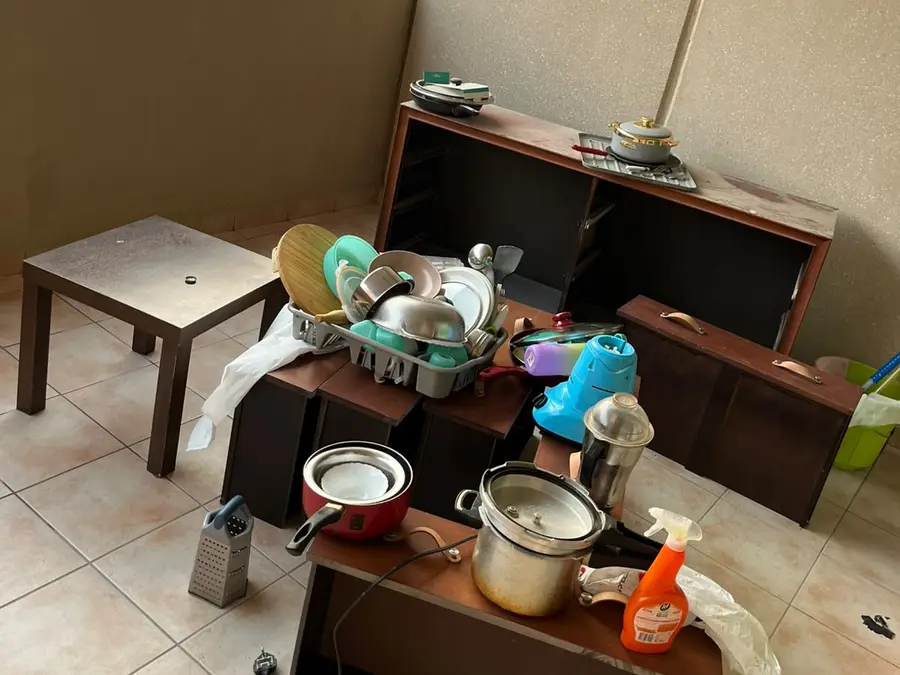
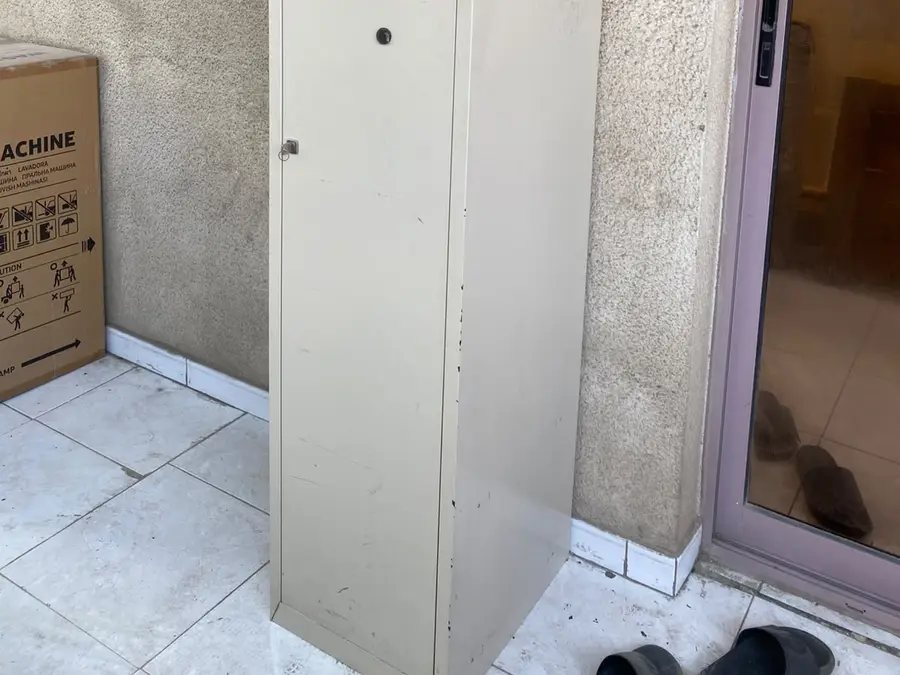
Household bins are for household waste. This sounds obvious and it is where most problems start. Bulky items are outside normal bin collection everywhere in the UAE. A sofa, a mattress, a wardrobe or a fridge left beside a bin store is not a collection, it is a complaint waiting to be filed by building management. The same applies to renovation debris, which is not household waste at all.
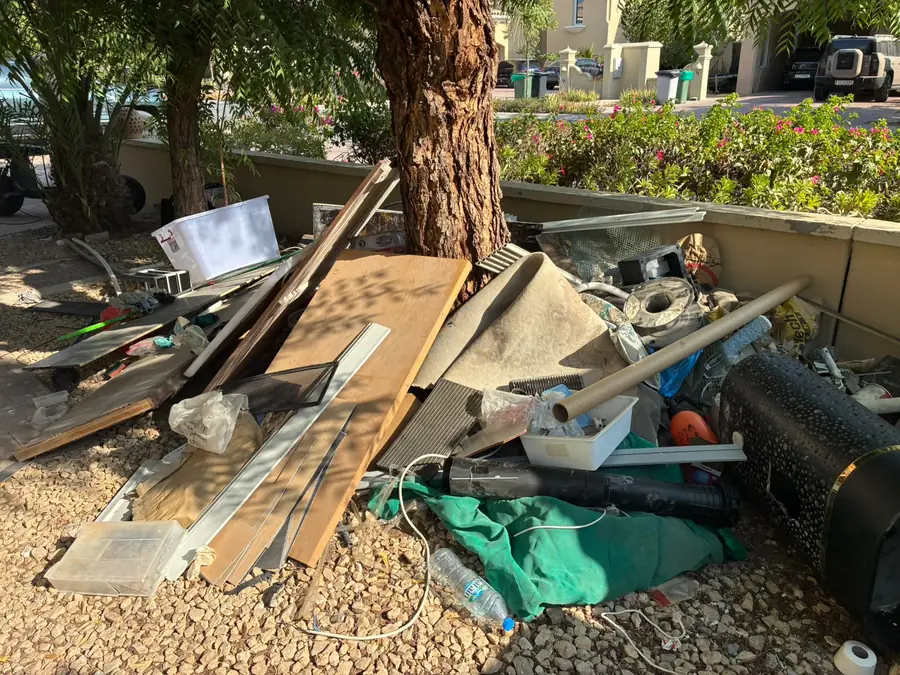
Construction and demolition waste is a separate stream. It must be moved by licensed waste transport to an authorized facility. That is a requirement, not a preference. For anyone running a fit out, the practical consequence is that you need a licensed contractor to take the debris and, for commercial projects, you should keep the documentation showing where it went.
Electronic waste needs a certified route. Electronics contain lead, mercury, cadmium and lithium alongside the valuable copper and gold. Dubai Municipality operates collection points for household e-waste, and businesses are expected to use licensed e-waste handlers for commercial volumes. Dumping a pallet of old monitors in general waste is the kind of thing that attracts a penalty for a company in a way it rarely does for a resident.
Refrigerants are the quiet one. Fridges, freezers and air conditioners contain gases that are far more damaging than carbon dioxide if released. Proper disposal means the gas is recovered under controlled conditions before the metal shell is recycled. A collector who crushes a fridge whole is not doing that, and it is one of the clearest differences between a licensed operator and a man with a pickup.
What is never general waste. Asbestos. Paints, solvents, adhesives and fuels. Medical and clinical waste. Gas cylinders and pressurized containers. Damaged or swollen lithium batteries, which are a genuine fire risk in a loaded truck. Each of these has a specialist route, and a general junk removal company should decline all of them.
Where businesses get caught. Three things come up repeatedly. Using an unlicensed collector because the quote was cheaper, and having no record of where the waste went. Treating commercial volumes as household waste. And having no documentation at all when an inspection asks for it. The first two are the risk. The third is the one that turns a small problem into a fine.
What documentation looks like in practice. A record of what was collected, when, and which authorized facility received it. For most commercial clients a simple disposal record is enough, and it is the sort of thing you should be able to request from any licensed operator at the time of booking. If a collector cannot provide one, that tells you something about where your waste is going.
The direction of travel. All three major emirates have been tightening rather than loosening these rules, with landfill diversion targets driving most of it. Sorting at source, separating recyclables, and using licensed transport are moving from good practice toward expectation. For a household that mostly means using a proper service for bulky items. For a business it means the paperwork matters.
Frequently Asked Questions
Need Junk Removed Today?
Get a free quote — same-day service available across all UAE emirates